How to highlight agricultural experience without a diploma

Having no diploma does not mean having no skills. Describe family-farm work or agricultural assignments through tasks, frequency and supervision so an employer can assess your experience.
1. Replace vague claims with tasks
List actual work: manual preparation, sowing under instructions, crop care, harvesting, sorting or tidying. State crops and periods. Distinguish deciding on operations from carrying them out.
| Vague wording | More specific, if accurate |
|---|---|
| I know farming | Participated in two maize seasons on a family plot. |
| I do everything | Manual maintenance and harvest under instructions; no machinery operation. |
| I am reliable | Kept agreed attendance and reported difficulties. |
2. Give a complete example
Fictional example: “Family farming, 2024–2025: helped maintain and harvest maize several days a week during work periods. Tasks organised by a relative. Sorted produce according to instructions.”
Use your real dates and frequency. Occasional help must remain labelled occasional.
3. Prepare simple evidence
A consenting referee, task notebook or authorised photo can support your account. A photograph alone does not establish duration or independence. Never use stock photographs as evidence of your own experience.
4. Show how you learn
Explain how you listen, ask for a demonstration and have initial work checked. Identify training needs, especially for machinery and agricultural products.
5. Build a one-page application
Include contact details, availability, familiar crops, three skills and an agreed referee. Check the vacancy: some technical roles require qualifications that experience alone cannot replace.
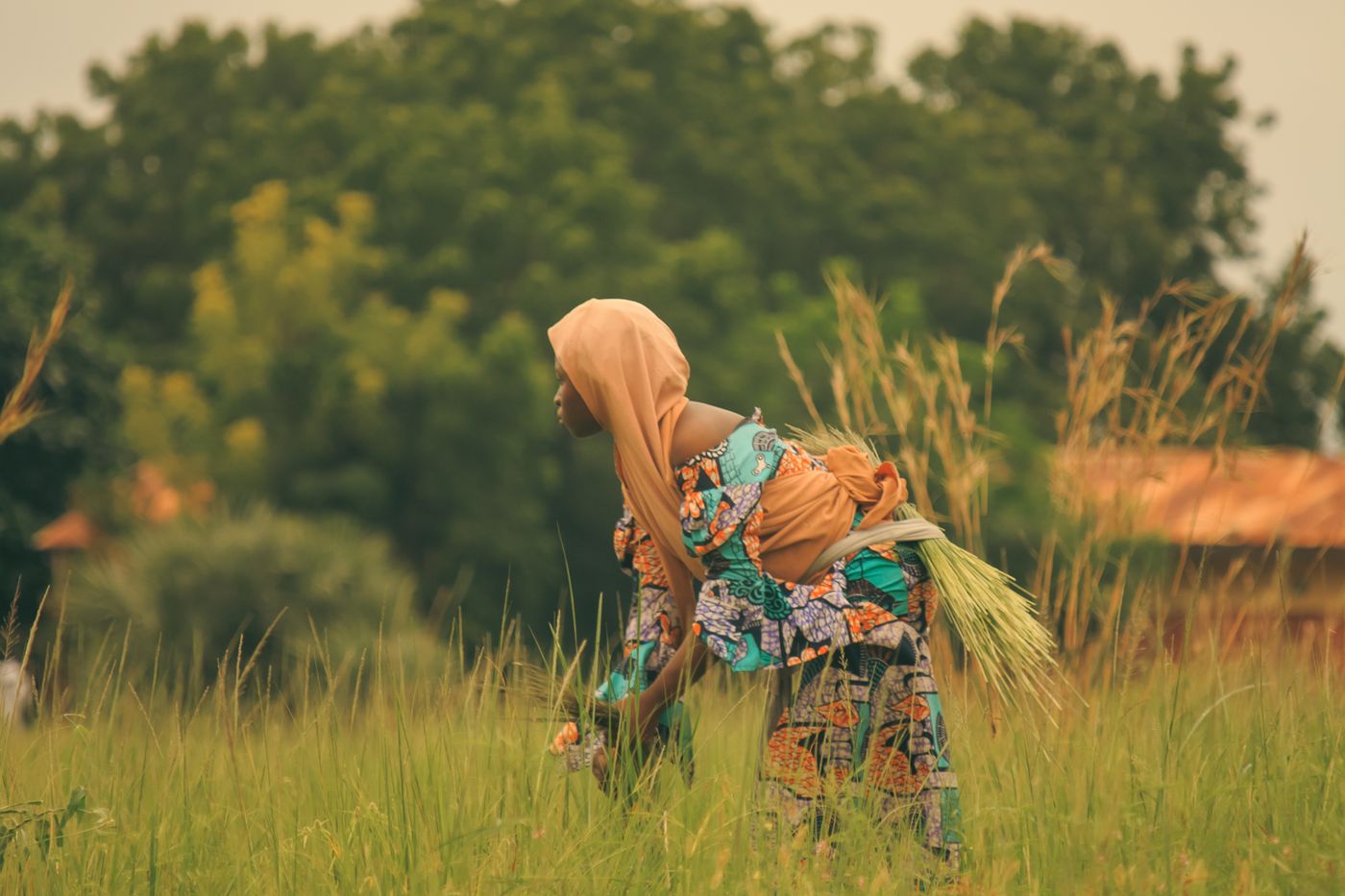
Illustrative stock photographs; they do not depict a Kamerjob employer or a verified farm in Cameroon. Cover and illustration: Pexels / Pexels.
Explore vacancies on Kamerjob and adapt your application to each role. Find more practical advice on the blog Kamerjob.
The Kamerjob team
Comments
Loading comments…