Crop monitoring: demonstrate your attention to detail with a practical record

A crop record shows how you observe and communicate useful information. In an application, it demonstrates care without implying expertise you cannot substantiate.
1. Choose clear fields
Include date, plot, crop, observed stage or description, completed operation, anomaly, person informed and next action. Identify units and data sources. Distinguish a blank field from “nothing to report”.
2. Show a fictional example
| Date and location | Observation | Action and follow-up |
|---|---|---|
| 12 October — plot A | Three wilted plants on one row; cause unknown. | Location recorded, supervisor informed and examination requested. |
| 13 October — plot A | Follow-up visit with supervisor. | Instructions recorded; next check planned accordingly. |
This is a documentation exercise, not a diagnosis or treatment protocol. It does not describe a real farm.
3. Separate facts and assumptions
“Yellow leaves on five plants” is an observation. “Lack of fertiliser” is a possible cause requiring verification. Do not turn assumptions into technical instructions.
4. Explain checks
Review dates, plot identifiers, readability and quantities. Keep corrections traceable under farm procedures. Avoid conflicting digital versions and protect information.
5. Use the record in an application
“Demonstration project: designed an observation and alert record using fictional plots, dates and next actions.”
For internship material, explain your role and obtain sharing permission. Describe how the record helps a supervisor retrieve information. A short record kept consistently is more useful than an elaborate empty table.
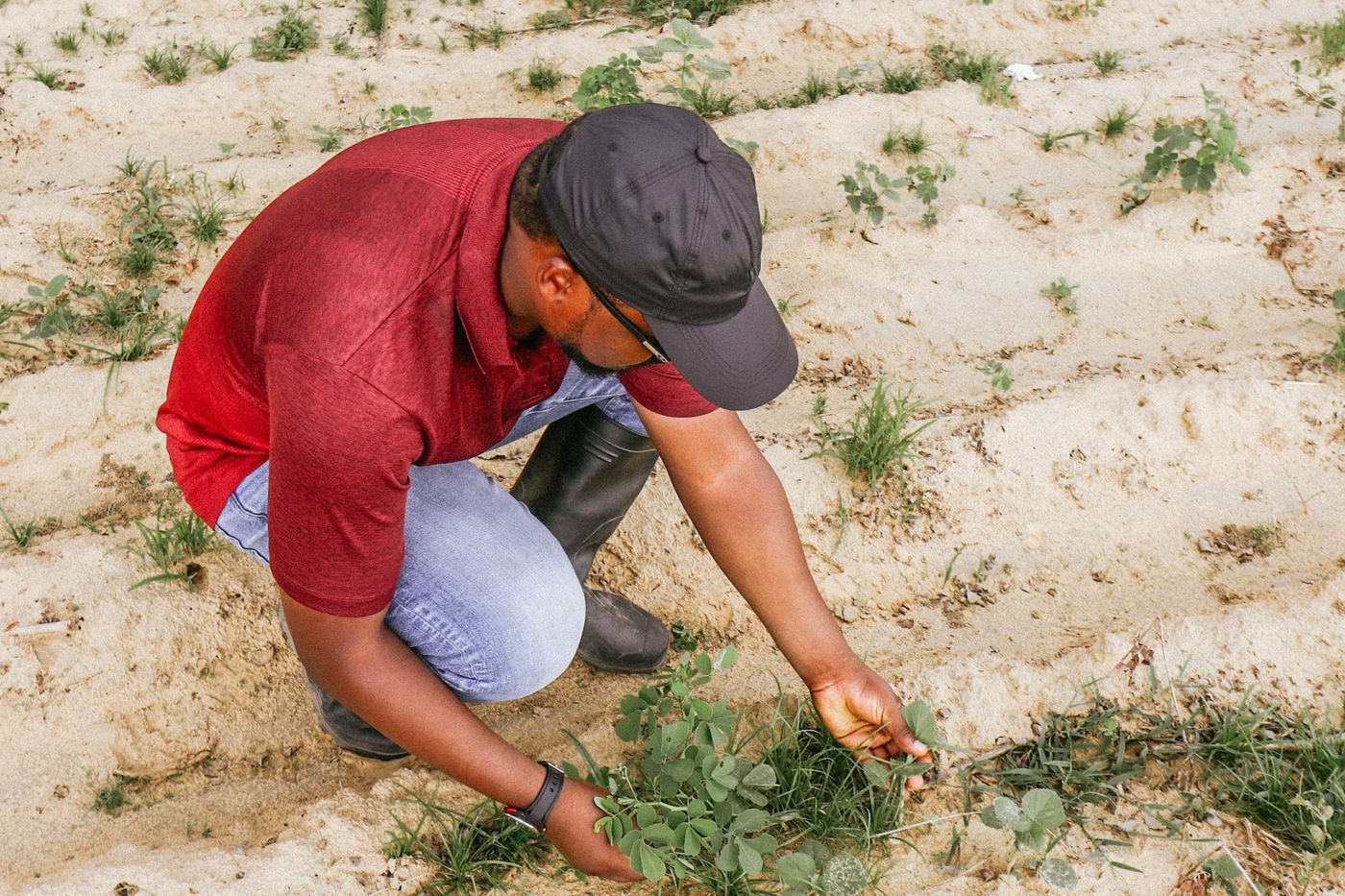
Illustrative stock photographs; they do not depict a Kamerjob employer or a verified farm in Cameroon. Cover and illustration: Pexels / Pexels.
Explore vacancies on Kamerjob and adapt your application to each role. Find more practical advice on the blog Kamerjob.
The Kamerjob team
Comments
Loading comments…