Community outreach: how to demonstrate listening and organisation

Community outreach takes more than speaking to a group. You need preparation, listening and a clear way to refer questions beyond your role. An explained example can show these skills without claiming medical outcomes from a session.
1. Prepare with the team
Clarify the audience, objective, venue, duration and languages. Ask which material is approved and who handles technical questions. Check equipment, access and travel arrangements with the supervisor.
Fictional exercise: a team prepares an information session about services at a health centre. Your contribution is reception, presenting approved information and collecting general questions. You do not add clinical advice of your own.
2. Use a simple plan
| Stage | Action to explain |
|---|---|
| Before | Confirm practical details and divide responsibilities. |
| Opening | Introduce yourself, explain the purpose and set the discussion framework. |
| Discussion | Use approved material, listen and clarify. |
| After | Refer outstanding questions and write a factual report. |
Plans should allow adjustments. If a constraint prevents the activity, inform the supervisor and suggest an authorised logistical alternative.
3. Respond without improvising a diagnosis
When a question exceeds your training or assignment, acknowledge the limit and refer it to the designated professional or service. You might say: “I will refer your question to the authorised professional; I do not want to give you uncertain information.”
If someone wants to discuss a personal situation, offer the programme’s confidential setting. Avoid discussing health details in front of the group. Respect refusal to participate and do not promise benefits in exchange for answers.
4. Listen to a concern
Fictional role-play: a participant does not understand how to access a service. Restate the question, check official information and explain the next step simply. Ask what remains unclear without turning the exchange into a test.
Do not ridicule questions or repeat rumours as facts. Record topics that need clarification from the supervisor.
5. Report accurately
Separate completed activities, observed difficulties and proposed actions. For example: “The venue was available, but the schedule needed adjustment; confirm arrangements with the supervisor before the next session.” Use fictional data for a recruitment demonstration.
WHO resources provide context for training and supervision. In your Kamerjob application, describe a real activity, your contribution and the limits of your responsibility.
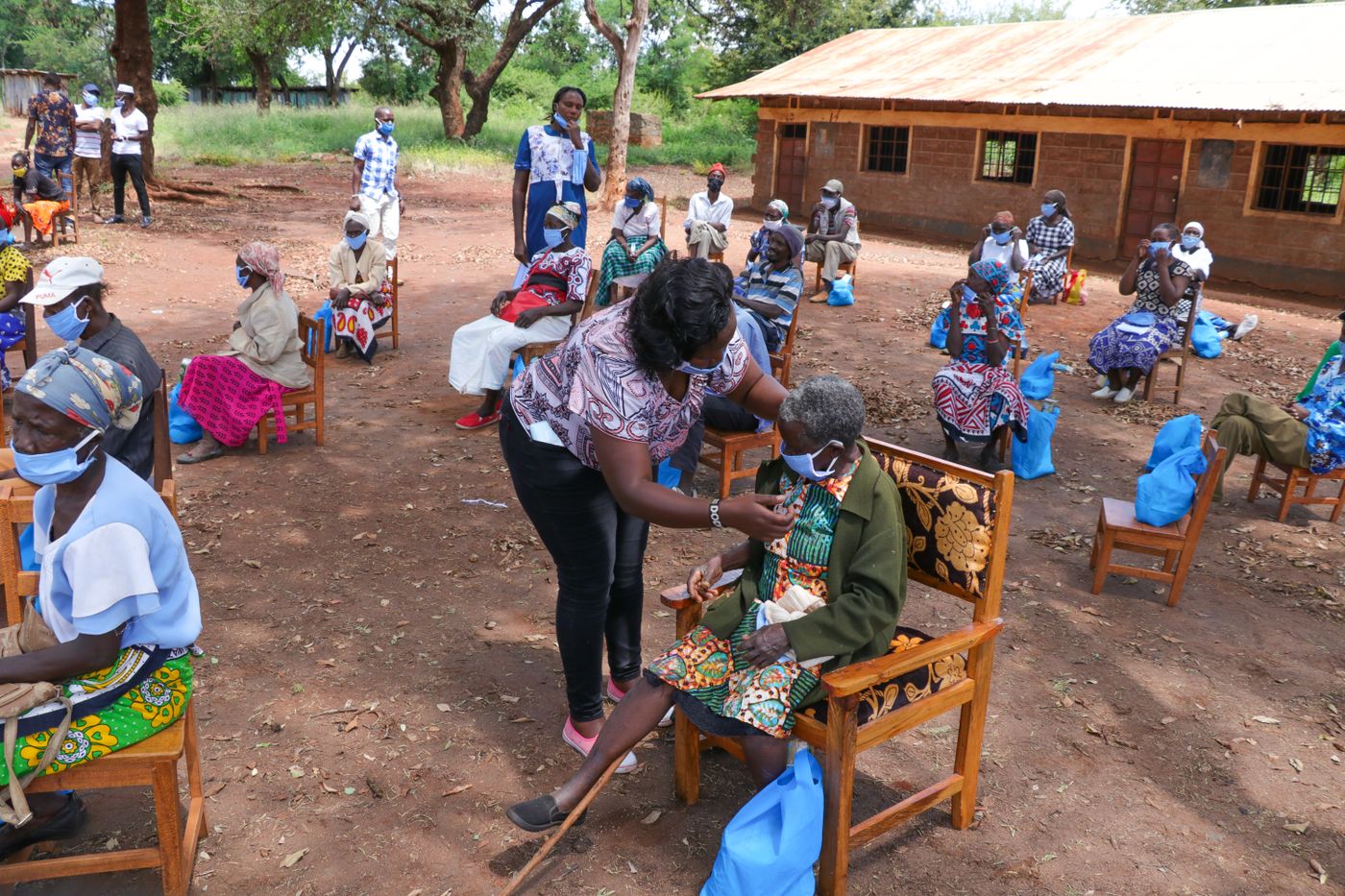
Stock photographs illustrating different health and outreach settings. The people shown are unrelated to the fictional cases; photographs do not define the duties authorised for a role. Lagos Food Bank Initiative / Pexels ; Denis Ngai / Pexels.
The Kamerjob team
Comments
Loading comments…