How to succeed in an interview for a community health job in Cameroon

A community health interview can assess listening, organisation and your ability to work within a defined role. Prepare field examples and answers about confidentiality, responsibilities and team handovers.
1. Review the role and requirements
Identify duties, required training, travel, languages and tracking tools. Prepare a short introduction covering your actual background, relevant experience and motivation. Do not equate awareness work with a clinical qualification.
Adaptable example: “I helped organise community activities and logistical follow-up. I can explain how I welcome people, clarify questions and refer issues. I would like to develop these skills within your programme and supervision arrangements.”
2. Prepare a fieldwork story
Explain the context, task, your action, handover and learning. Make clear what the supervisor decided. Do not take sole credit for a team result.
Fictional example: the planned venue becomes unavailable. You alert the supervisor, check authorised alternatives and help inform participants of the approved change. This illustrates organisation; do not invent it as your own experience.
3. Handle a request beyond your role
An interviewer may ask: “What if someone expects medical advice you are not authorised to provide?” Explain that you acknowledge the limit, use the agreed referral process and contact the designated professional or supervisor. Do not offer a diagnosis to appear confident.
Ask how the programme handles urgent situations and handovers. Knowing the reporting route and following instructions helps prepare you for the role.
4. Protect confidentiality
Fictional role-play: a relative asks why someone was referred. You could say: “I cannot share personal information collected through my work. I can explain available services and official contact points.”
Do not show beneficiary lists or real messages as proof of experience. Use clearly labelled fictional data for a recruitment exercise.
5. Discuss difficulties honestly
If a planned activity was not completed, explain obstacles, your report and approved adjustments. Distinguish people contacted, attendance and referrals made. Do not claim health outcomes you have not measured.
6. Ask practical questions
- What training and support are planned?
- Who approves messages and handles technical questions?
- What travel support, equipment and communication tools are provided?
- How is collected information protected?
- What is the employment status, schedule and pay arrangement?
WHO community health worker resources provide general context. Base your preparation mainly on the Kamerjob vacancy and your actual experience.
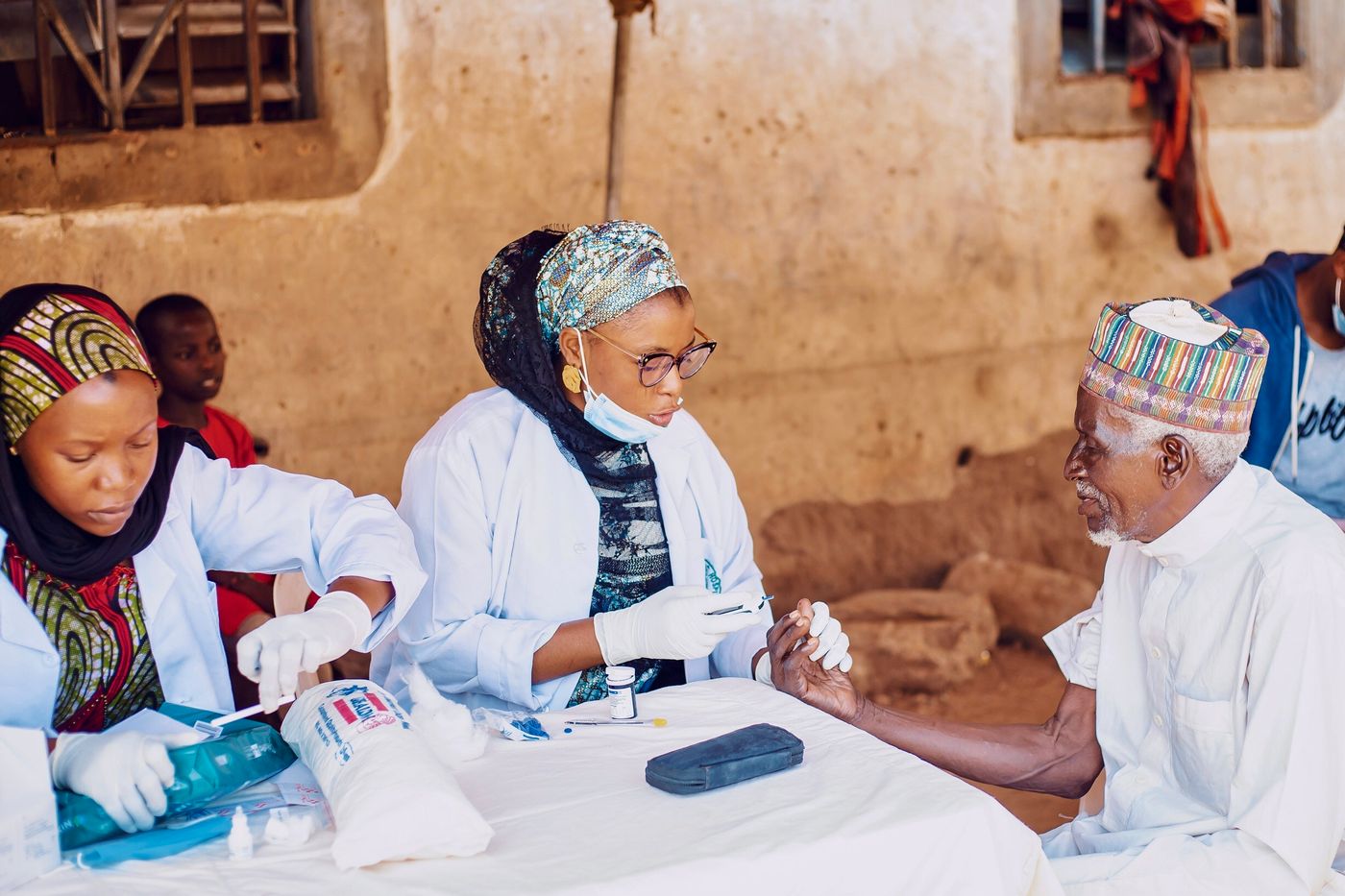
Stock photographs illustrating different health and outreach settings. The people shown are unrelated to the fictional cases; photographs do not define the duties authorised for a role. Denis Ngai / Pexels ; mk_photoz / Pexels.
The Kamerjob team
Comments
Loading comments…