Harvesting and storage: how to present your experience

Harvest work can include sorting, handling, batch identification and records as well as collecting produce. Explain the stages you actually performed.
1. Identify the crop and tasks
Maize, tomatoes and other produce have different handling needs. State crop, period, tasks and instructions: harvesting, sorting, weighing, packing, moving or storing. Helping with loading is not the same as managing storage.
2. Explain checks
| Stage | Example if performed |
|---|---|
| Sorting | Applied criteria explained by the supervisor. |
| Weighing | Read scales and recorded units. |
| Traceability | Labelled batches and recorded movements. |
| Storage | Organised products and reported concerns under procedures. |
3. Give a specific example
Fictional example: “Tomato-harvest assignment: helped sort and pack under instructions, identified crates and reported quantities. Flagged produce requiring examination separately.”
For quantities, state period and unit. Do not claim reduced losses without reliable comparable measurements.
4. Recognise technical limits
Storage conditions depend on crop and facility. Do not offer one moisture or temperature threshold for all produce. Explain how you follow instructions, use instruments you are trained for and report concerns. Do not treat stored products without training and authorisation.
5. Match evidence to the role
Prepare examples of accuracy, teamwork and reporting. A fictional batch sheet can support the interview. Reference: FAO grain-storage fundamentals. This grain-specific guide does not replace crop-specific procedures.
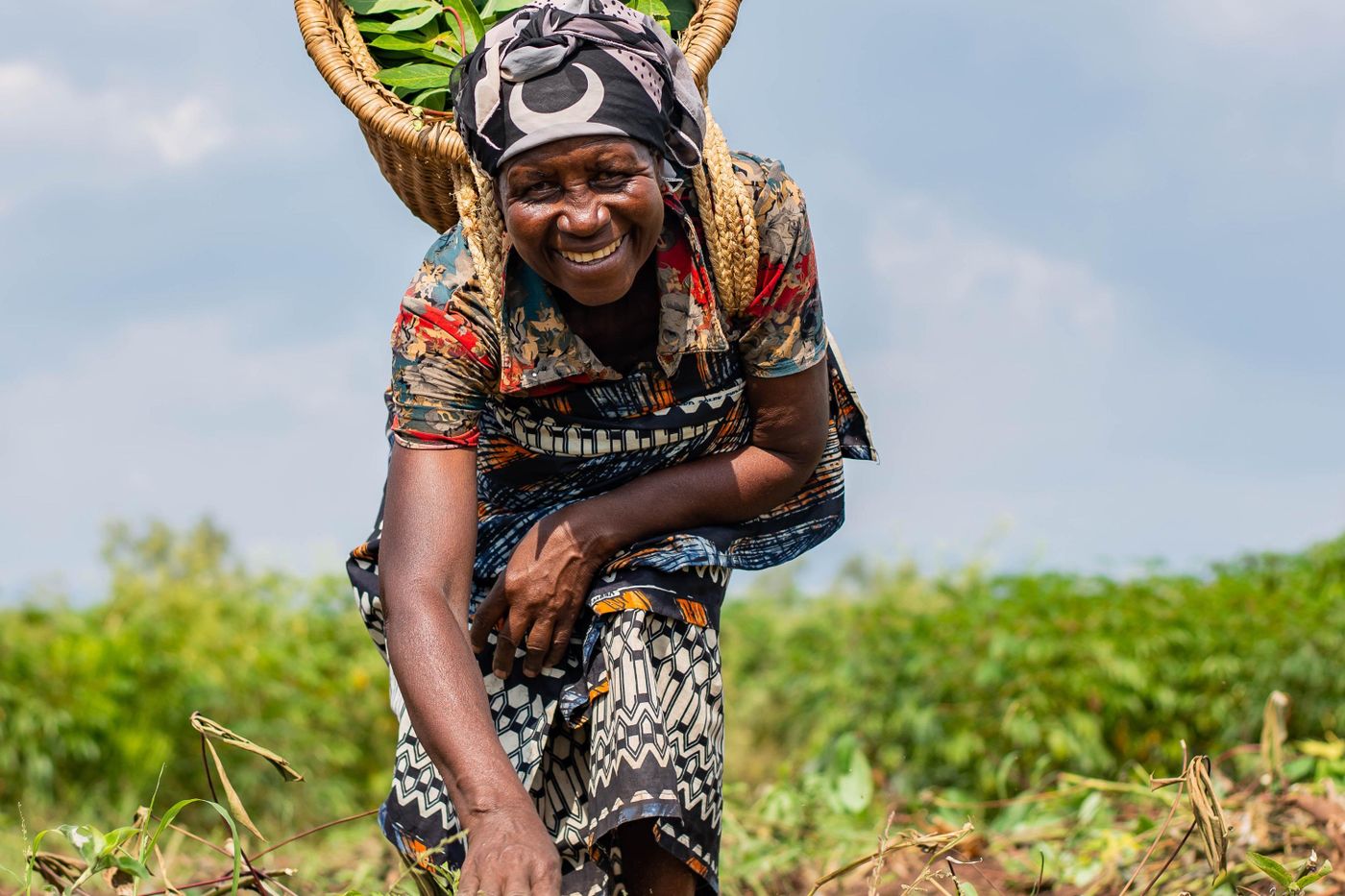
Illustrative stock photographs; they do not depict a Kamerjob employer or a verified farm in Cameroon. Cover and illustration: Pexels / Pexels.
Explore vacancies on Kamerjob and adapt your application to each role. Find more practical advice on the blog Kamerjob.
The Kamerjob team
Comments
Loading comments…