How to present internships and practical training in crop production

An internship or practical exercise can strengthen an agricultural application when your role is clear. Distinguish what you observed, completed with help and learned to perform within a defined scope.
1. Explain the setting
Give training programme, host organisation, dates, crops and objective. Label teaching plots, nursery exercises and technical visits accurately. A one-day visit is not production-management experience.
2. Classify your contribution
| Level | Possible wording, if accurate |
|---|---|
| Observation | Observed checks before an irrigation operation. |
| Supervised participation | Helped transplant seedlings following the trainer’s demonstration and checks. |
| Assigned task | Completed daily records using a supplied protocol. |
3. Describe work and evidence
Fictional example: “Crop-production practical training, 2026: followed a seedling batch in a teaching nursery. Contribution: labelling, counting and recording observations, reviewed by the trainer. Deliverable: tracking sheet and short summary.”
Where permitted, keep an anonymised record, diagram and captioned photo. Acknowledge teammates’ contributions.
4. Explain data limitations
A plant count alone does not establish a technique’s effectiveness. State date, method and limits. Without an appropriate comparison protocol, describe an observation exercise rather than a scientific conclusion.
5. Prepare the application
Select work relevant to the vacancy. Explain objective, role, checks and learning, plus one difficulty and how you sought help. A short internship can demonstrate care without overstating independence.
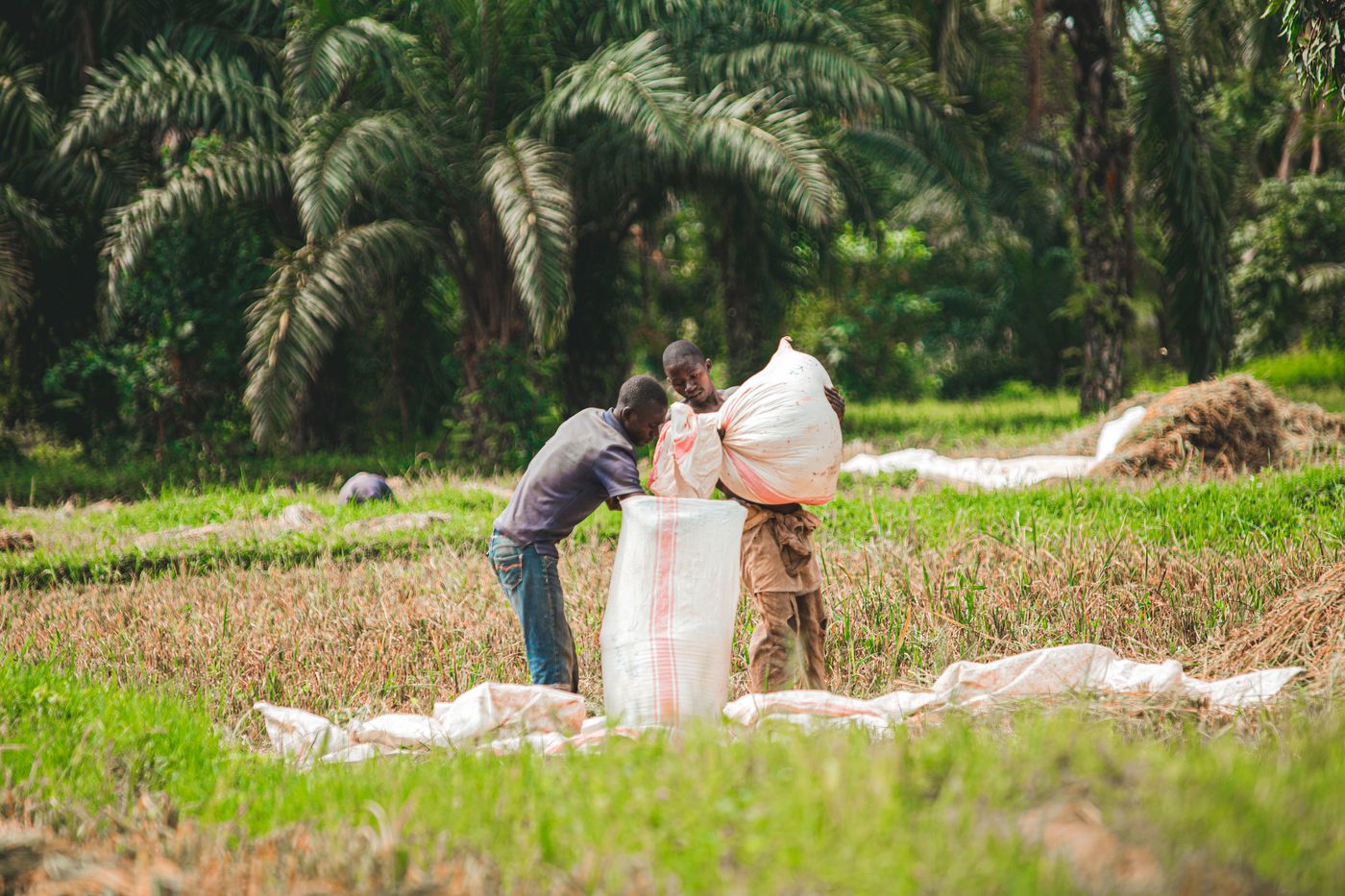
Illustrative stock photographs; they do not depict a Kamerjob employer or a verified farm in Cameroon. Cover and illustration: Pexels / Pexels.
Explore vacancies on Kamerjob and adapt your application to each role. Find more practical advice on the blog Kamerjob.
The Kamerjob team
Comments
Loading comments…