Nursery work, vegetable production or field crops: how to highlight your speciality

Agricultural experience is easier to assess when you identify the production setting. Nursery work, vegetable growing and field crops share some skills, but tasks, schedules and monitoring needs can differ.
1. Name your speciality precisely
State actual species or crops, operations and periods. Explain “nursery experience” through tasks such as labelling, batch records or supervised transplanting.
| Setting | Tasks to describe if performed |
|---|---|
| Nursery | Batch tracking, counts, labels and plant observations. |
| Vegetable production | Bed maintenance, operation records and harvest sorting. |
| Field crops | Plot-based organisation, records and seasonal tasks. |
2. State your independence
Explain who decided irrigation, inputs or technical interventions. Performing instructions is different from designing a production programme. Do not add machinery skills you have not practised with authorisation.
3. Show relevant evidence
Fictional example: “Teaching nursery: tracked a seedling batch using labels, dates and counts. Completed records and flagged plants for examination; the trainer approved decisions.”
A clear record can be more useful than unexplained photographs.
4. Explain transferable skills
Care, observation, instruction-following and traceability can transfer between settings. Identify what you still need to learn: quality criteria, local schedule, tools and farm procedures.
5. Tailor the application
Put the speciality closest to the vacancy first, followed by complementary skills. Describe one operation from preparation to final checks and identify decisions made by the supervisor.
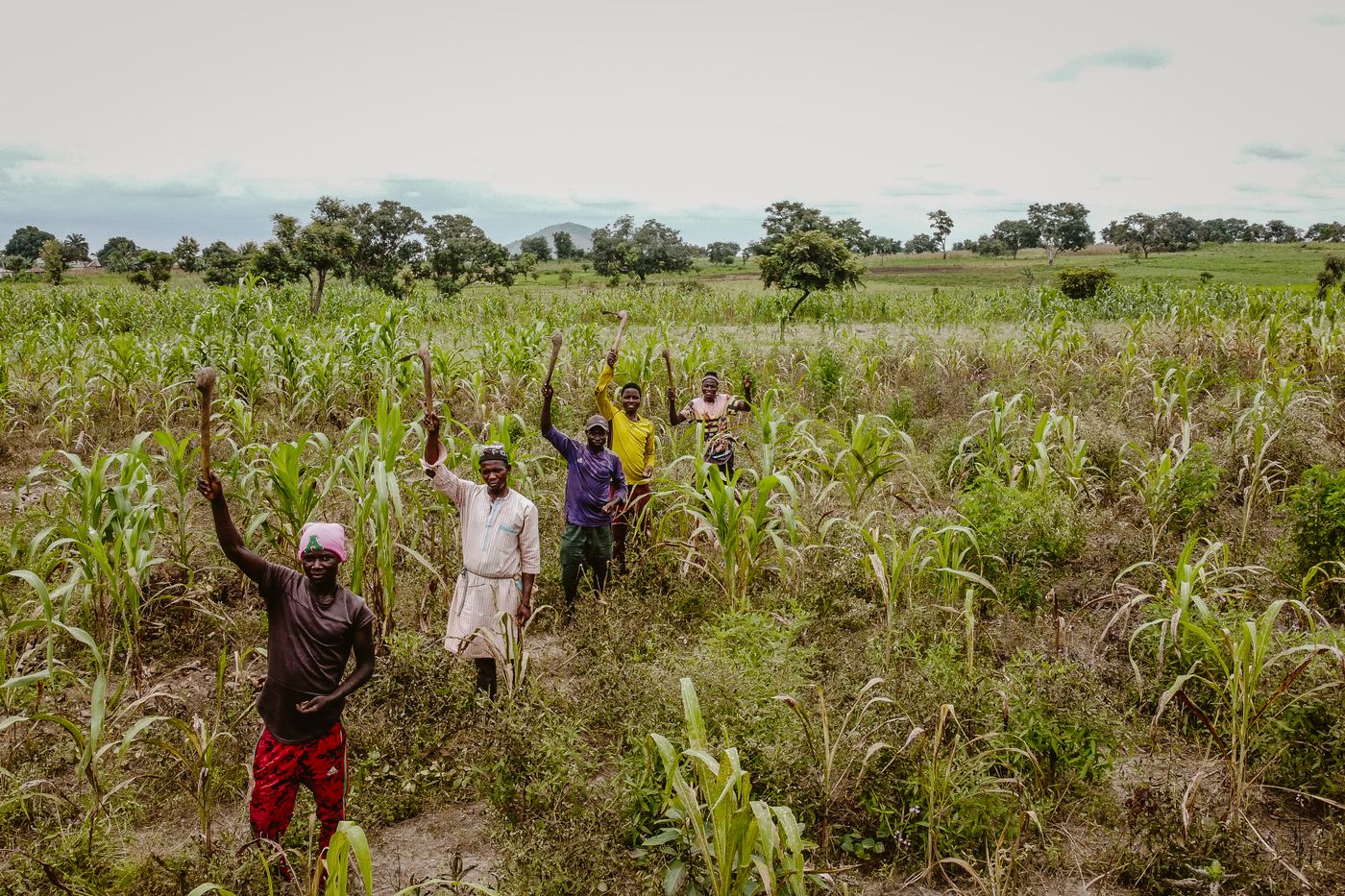
Illustrative stock photographs; they do not depict a Kamerjob employer or a verified farm in Cameroon. Cover and illustration: Pexels / Pexels.
Explore vacancies on Kamerjob and adapt your application to each role. Find more practical advice on the blog Kamerjob.
The Kamerjob team
Comments
Loading comments…