Community health CV: how to highlight volunteering and field activities

Volunteering, internships and community activities can support a community health application. Explain the tasks, setting and supervision involved. A precise CV helps an employer understand your contribution without implying qualifications or activities you did not hold or perform.
1. Name the context and status
Give the organisation, period and actual status: volunteer, intern, survey worker or employee. Choose a title matching the vacancy. Participating in a campaign does not make you a qualified health professional.
List training under its exact name. Distinguish attendance certificates, practical training and formal qualifications. Do not imply that you hold an authorisation you have not received.
2. Describe your actions
| Vague wording | Specific wording, when true |
|---|---|
| Helped the community | Welcomed participants and directed them to the designated information point. |
| Awareness work | Presented approved material and referred questions to the supervisor. |
| Data collection | Used an authorised questionnaire and reported missing fields. |
Describe the work area generally and your team role. Do not publish household addresses or participants’ contact details.
3. Present results carefully
Use only verifiable, shareable figures. Separate people contacted, session attendance, referrals offered and confirmed use of a service. Attendance does not establish improved health outcomes.
Without reliable figures, explain your method and follow-up. For team results, state your contribution: reception, logistics, notes or supervised facilitation.
4. Add a privacy-safe example
Fictional personal project: prepare an activity report with objective, planned tasks, completed tasks, a logistical difficulty and next action. Use clearly labelled invented places and figures. Present it as practice, not an employer’s report.
Adaptable CV line: “Supported community sessions through equipment preparation, reception and logistical reporting under supervision.”
Do not attach real notebooks, file photographs, message screenshots or beneficiary images to prove experience. Explain the process instead.
5. Match the vacancy
Highlight languages you actually use, listening, organisation, tracking tools and teamwork. The WHO community health page provides context; your responsibilities depend on the role and training.
Compare your CV with Kamerjob vacancies. Make sure you can explain each line and that referees have agreed to be contacted.
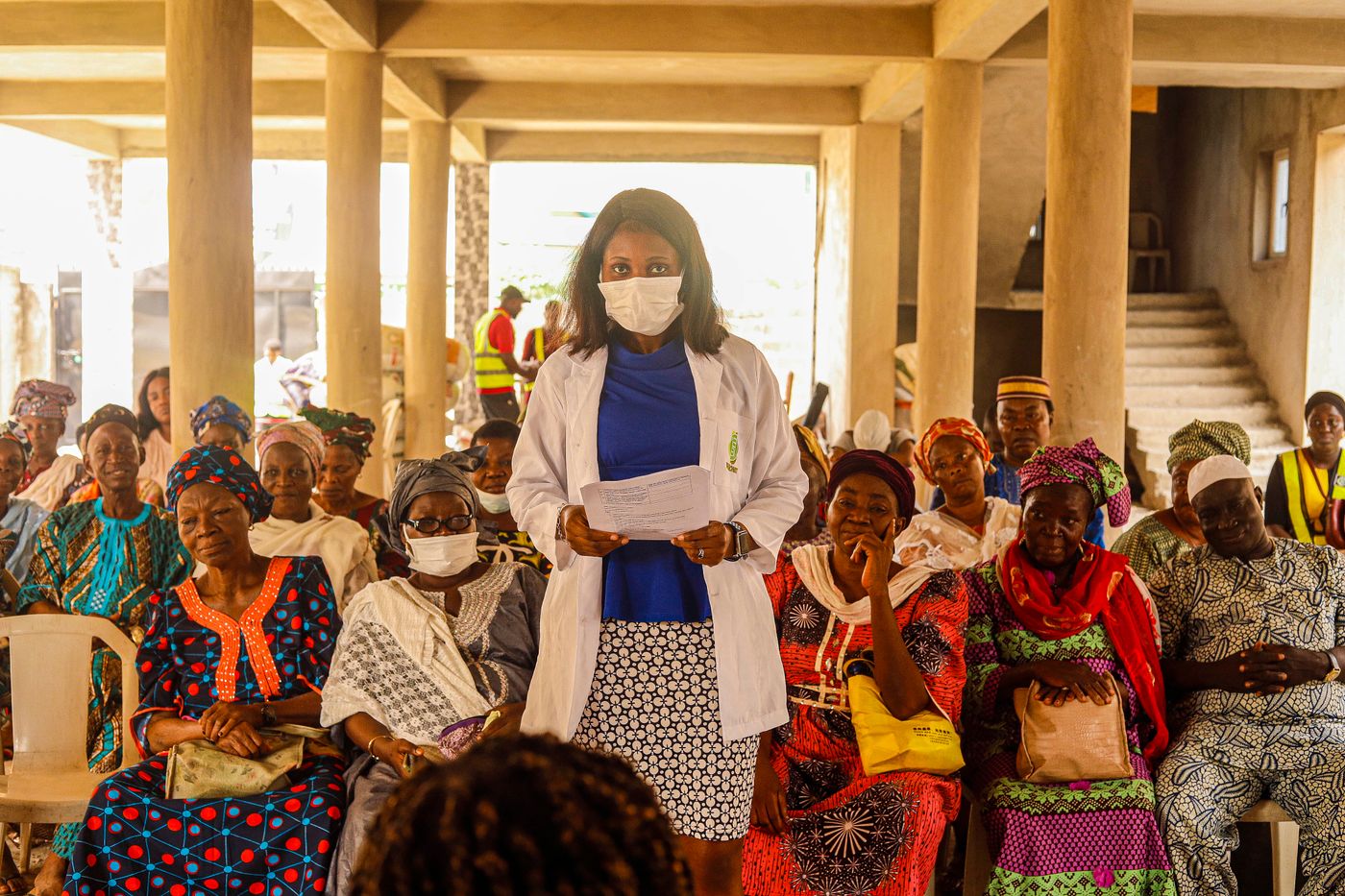
Stock photographs illustrating different health and outreach settings. The people shown are unrelated to the fictional cases; photographs do not define the duties authorised for a role. Ninthgrid / Pexels ; Lagos Food Bank Initiative / Pexels.
The Kamerjob team
Comments
Loading comments…