Personal or executive driver: how to build trust

For a personal or executive driver, trust grows through everyday actions: a well-prepared departure, a timely update and instructions followed. When applying, demonstrate those habits through specific examples rather than simply saying “I am reliable”.
In Cameroon, the employer may be a family, an executive or a company. Journeys, hours and responsibilities vary, so start by clarifying expectations.
1. Understand the expectations behind the title
An advert for a personal driver in Yaoundé combined driving, routine vehicle care, knowledge of the town, punctuality and discretion. An Ets Eco-Produits multi-purpose driver advert in Douala added deliveries, administrative errands and tracking vehicle renewal and maintenance dates.
These adverts, reviewed on 18 October 2026, illustrate responsibilities; they are not presented as currently open vacancies. Ask which passengers, vehicles, routes and errands are included, and who is authorised to give instructions.
2. Prepare journeys and communicate clearly
Confirm the time, pickup point and destination through the agreed channel. Plan the route and an alternative without promising a journey time you cannot control. Carry out the employer’s required checks and report faults before departure.
Fictional message example: “Hello, I confirm tomorrow’s pickup at [time] at [place]. Could you confirm the destination and desired arrival time?”
If delayed, notify the contact as soon as possible while stopped in a safe place. Give a realistic estimate. Punctuality never justifies dangerous driving.
3. Practise discretion
Do not repeat conversations, family routines or professional appointments. Avoid posting photographs of the vehicle, passengers, documents or private locations without permission. A friend asking where your employer is does not automatically have permission to receive that information.
A possible reply: “I cannot share travel details. Please contact the person directly.”
Discretion does not mean concealing incidents. Report relevant information to the designated supervisor when a problem affects the vehicle or assignment.
4. Account for the vehicle and expenses
Follow instructions for keys, fuel, documents and maintenance. Record the required information in the vehicle log and submit expense receipts. Obtain approval for unusual expenditure according to the agreed arrangements.
Fictional update: “Assignment completed at [time]. Fuel: [amount], receipt attached. I observed the following issue: [factual description]. Please confirm the procedure before the next journey.”
Describe observations without inventing a mechanical diagnosis. Do not undertake repairs beyond your skills. Do not use the vehicle for personal errands or carry an unauthorised passenger.
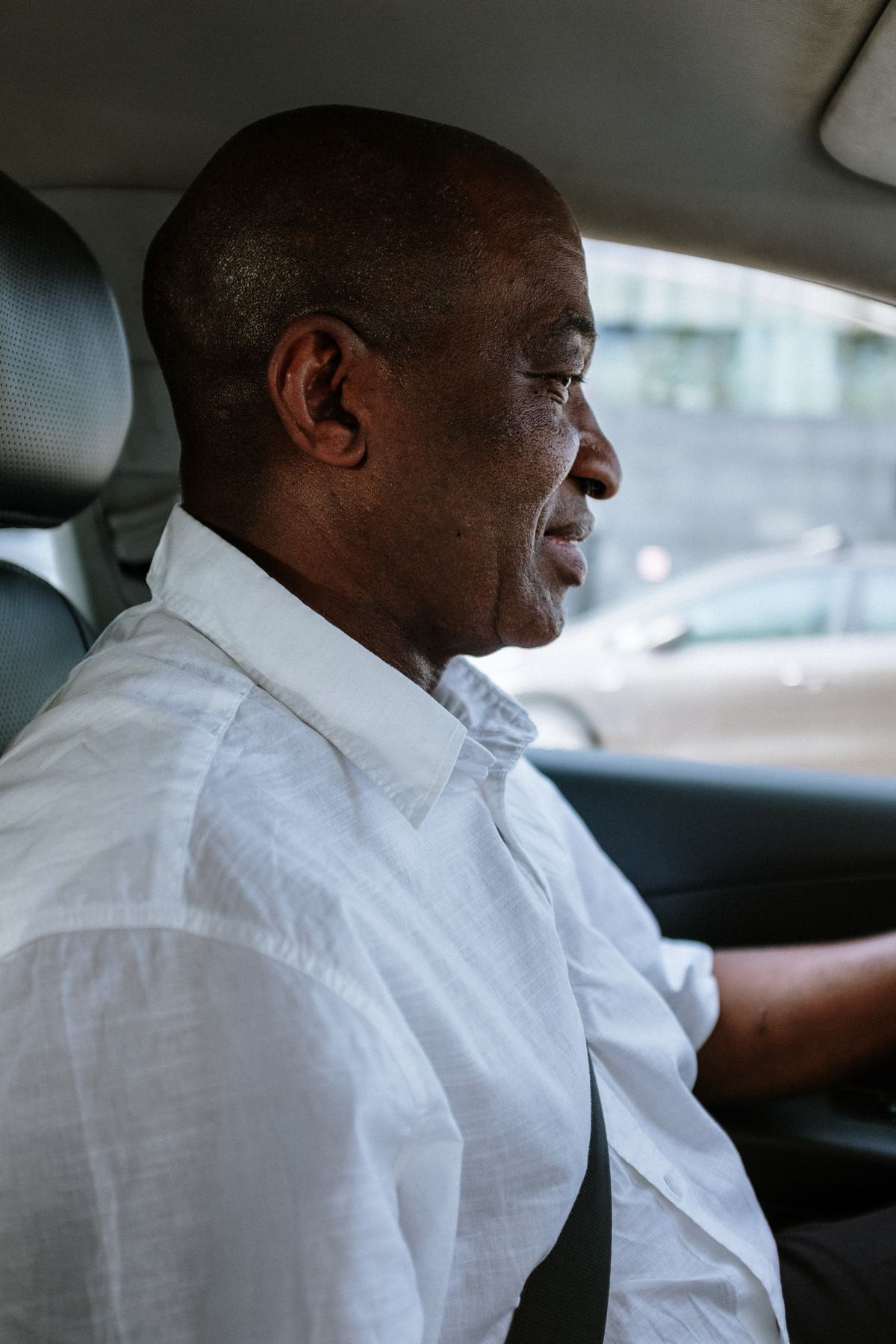
Illustrative photo: cottonbro studio / Pexels.
5. Demonstrate reliability during recruitment
Prepare two real situations: an appointment planned in advance and an unexpected problem properly reported. Explain the context, your action and the outcome. Do not disclose confidential details to make an example more impressive.
Fictional template to adapt:
“For an early journey, I confirmed the pickup point the previous day and planned the route. The destination changed before departure. I requested confirmation from the supervisor, adjusted the route and informed the relevant person of the updated estimate.”
For your CV:
“Personal driver — [setting], [dates]. Organised journeys across [areas], kept appointment times and respected confidentiality. Maintained vehicle cleanliness, kept a vehicle log [if actually performed] and reported faults.”
References can support your account: obtain the former supervisor’s permission before sharing their contact details. A valid, appropriate licence still needs to be checked; trust does not replace qualifications.
6. Set clear professional boundaries
Clarify hours, waiting periods, evenings, out-of-town travel and notice arrangements. Ask about pay, rest, covered expenses and incident reporting. Confirm who arranges maintenance and checks vehicle documents and insurance.
A useful phrase: “I want to remain dependable over time. Could we clarify the usual hours, exceptions and contact person when plans change?”
Do not promise permanent availability if it does not match your circumstances. Excessive speed, work beyond your qualifications or concealing an accident does not become acceptable in the name of loyalty.
When starting, agree on a review covering communication, route organisation and any difficulties. Trust develops when responsibilities are understood and problems are addressed promptly.
Prepare your driver CV and interview, then browse Kamerjob vacancies.
Cover: cottonbro studio / Pexels. Stock photographs: the people pictured are not associated with the adverts or fictional examples.
The Kamerjob team
Comments
Loading comments…