Delivery driver: skills to demonstrate beyond driving

A delivery driver transports goods, but the job also involves checks, paperwork and customer contact. To convince an employer in Cameroon, explain how you help prepare deliveries, hand them over correctly and follow through until supporting documents are returned.
An appropriate licence for the vehicle still needs to be verified. The following skills complement it; they do not replace the qualifications or experience requested in the advert.
1. Understand expectations through a vacancy
The Tim Hills Cameroon advert for two delivery drivers in Douala mentioned routes, receipt of goods, signed documents and reporting vehicle faults. It requested a category C licence and at least two years’ experience.
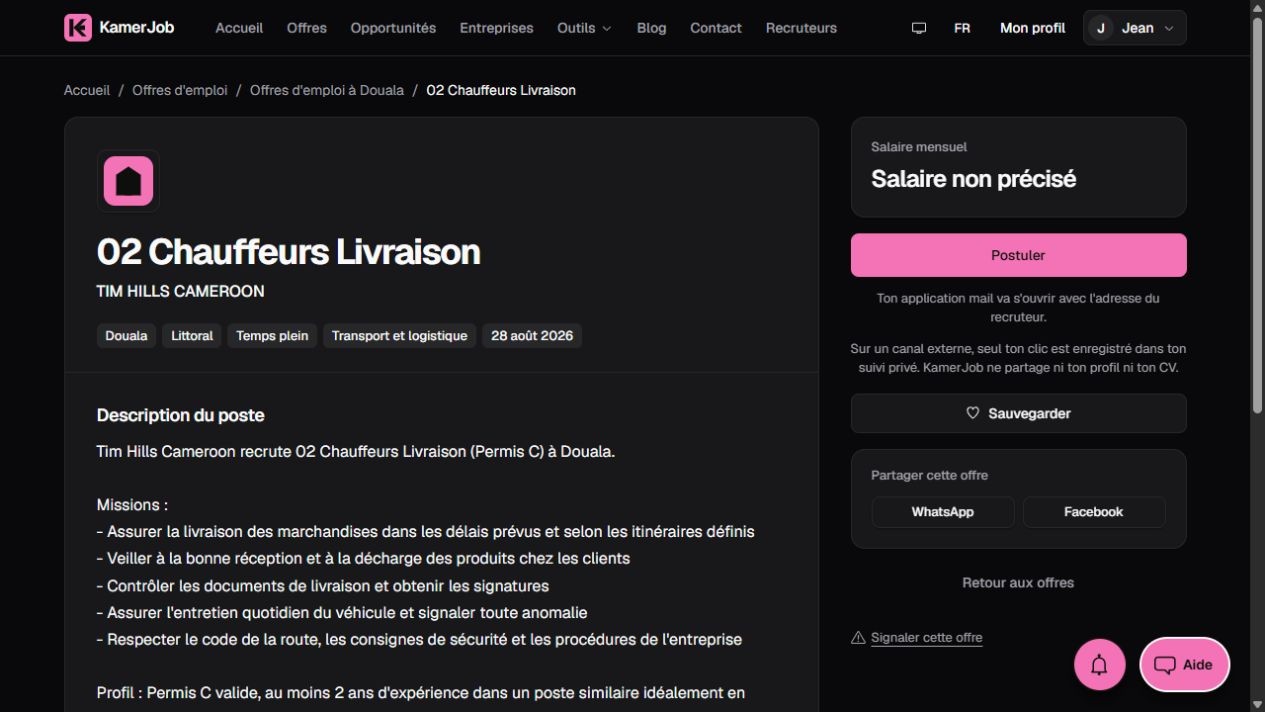
Kamerjob screenshot taken on 18 October 2026, in French. This illustrates duties; check the current advert’s availability. Its requirements do not automatically apply to every job.
2. Prepare the route and paperwork
Before departure, check addresses, authorised contacts, instructions and documents entrusted to you. Clarify missing information. Organise stops according to approved priorities rather than changing a route independently when it may reflect customer constraints.
When goods are handed over, compare references and quantities with the paperwork according to the procedure. Report discrepancies before they are forgotten. For loading and handling, ask for suitable equipment, assistance and instructions; do not claim specialist skills you do not have.
Fictional interview example: “Before departure, I noticed that an address was incomplete. I requested confirmation from the supervisor before starting the route. This allowed me to prepare the correct delivery location.”
3. Obtain and return reliable delivery evidence
A delivery note, signature or app confirmation must reflect what actually happened. Check the details required by the business and return paperwork to the right person. Never sign for a customer or mark a disputed delivery as accepted.
“At delivery, the customer reported a quantity discrepancy. I checked the documents with them, contacted my supervisor and followed the procedure to record it. I did not independently alter the delivery note or promise a replacement without approval.”
This scenario is fictional: replace it with an experience you actually had. Specify your role without claiming a decision made by your supervisor.
4. Communicate with customers and operations staff
Introduce yourself, confirm the recipient and remain courteous when handling a complaint. Useful communication describes a fact and helps the supervisor decide.
“Delivery [reference]: recipient absent at [time]. I am parked in a safe place. Please confirm the next step: waiting, another authorised contact or return under the procedure.”
If delayed, provide a realistic estimate while stopped in a safe place. Speed does not justify dangerous driving. Do not use customer details for personal purposes or publish addresses and delivery documents on social media.
5. Track returns, expenses and the vehicle
At the end of the route, distinguish completed deliveries, refusals, returned products and missing paperwork. If collecting payments is included, ask about receipts, payment methods and handing over funds. Keep evidence and report any difference immediately; do not mix business funds with personal spending.
For the vehicle, describe the checks you actually carry out under instructions. Report faults without improvising a diagnosis or repairs beyond your skills.
Fictional reporting outline: “Route on [date]: [actual number] deliveries completed; [references] pending; returns handed to [department]; supporting documents submitted; vehicle issue reported to [supervisor].”
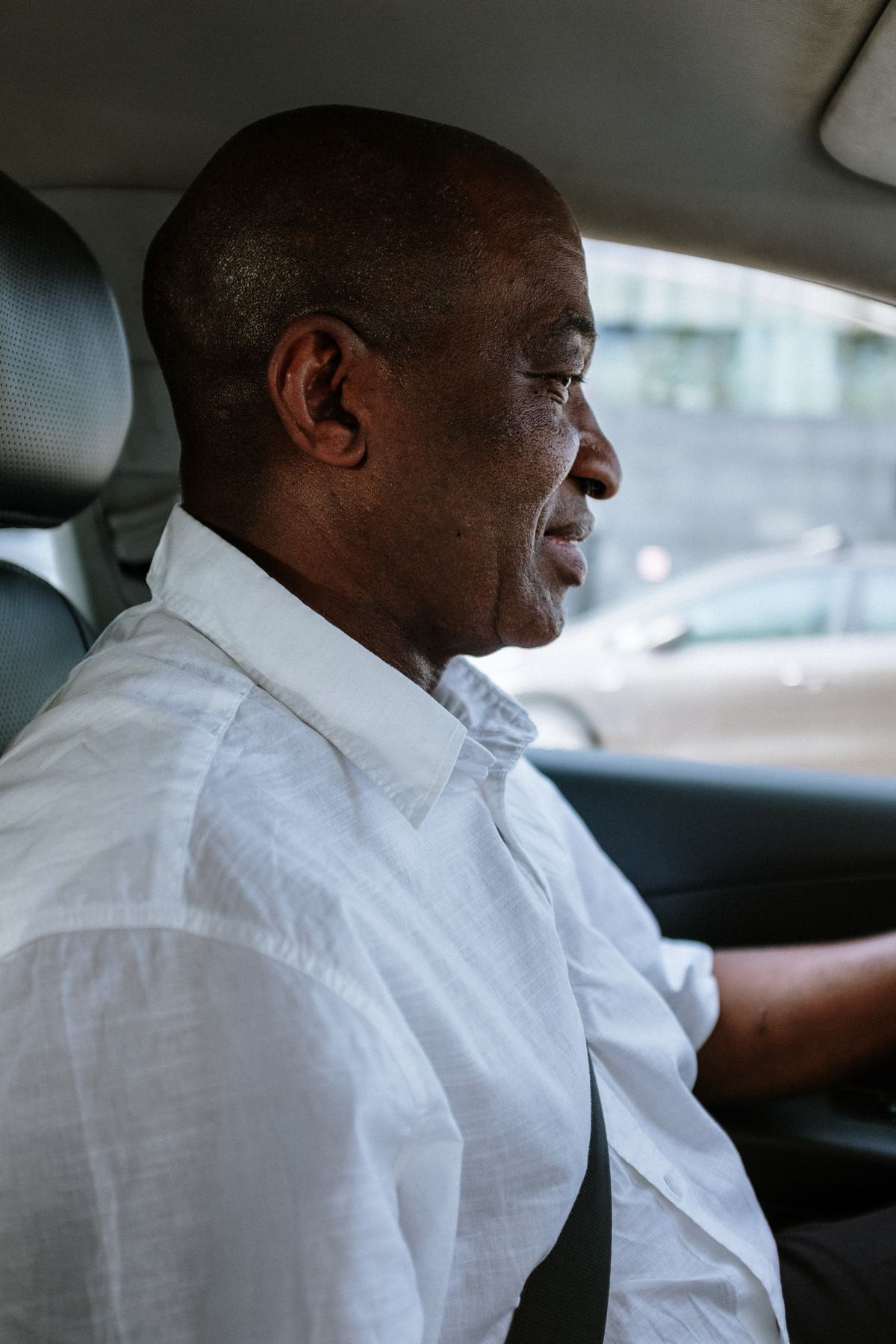
Illustrative photo: cottonbro studio / Pexels.
6. Translate these skills into your application
On your CV, replace “goods delivery” with specific tasks, only if you actually performed them:
“Delivery driver — [business or setting], [dates]. Deliveries across [areas], checking delivery notes, collecting signatures and returning supporting documents. Reporting delays and discrepancies to operations staff. Tracking returns and routine vehicle care following instructions.”
Add the vehicle driven, licence held and tools used. Only give a delivery volume if you can substantiate it, with a period and context. Identify training or informal experience accurately.
Prepare two simple examples for your interview: an unexpected problem, your action and the outcome; then an example of document tracking. If showing a sample document, remove private data and clearly identify any exercise prepared for the interview.
Before accepting, clarify handling duties, payment collection, hours, route expenses, equipment and who approves changes. Browse delivery driver vacancies, then prepare your CV and interview.
Cover: Kindel Media / Pexels. Stock photographs: the people pictured are not associated with the advert or fictional scenarios.
The Kamerjob team
Comments
Loading comments…